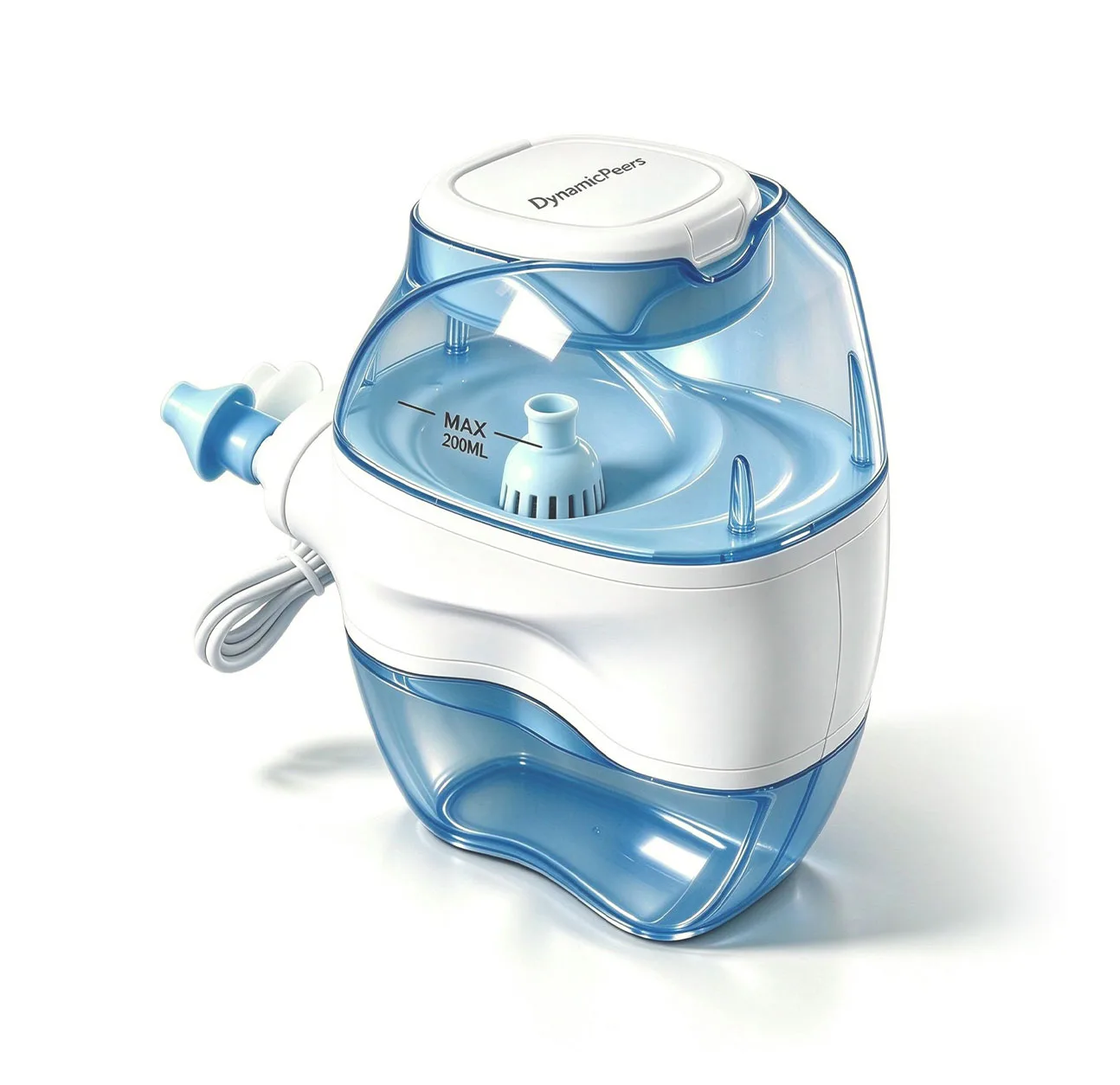
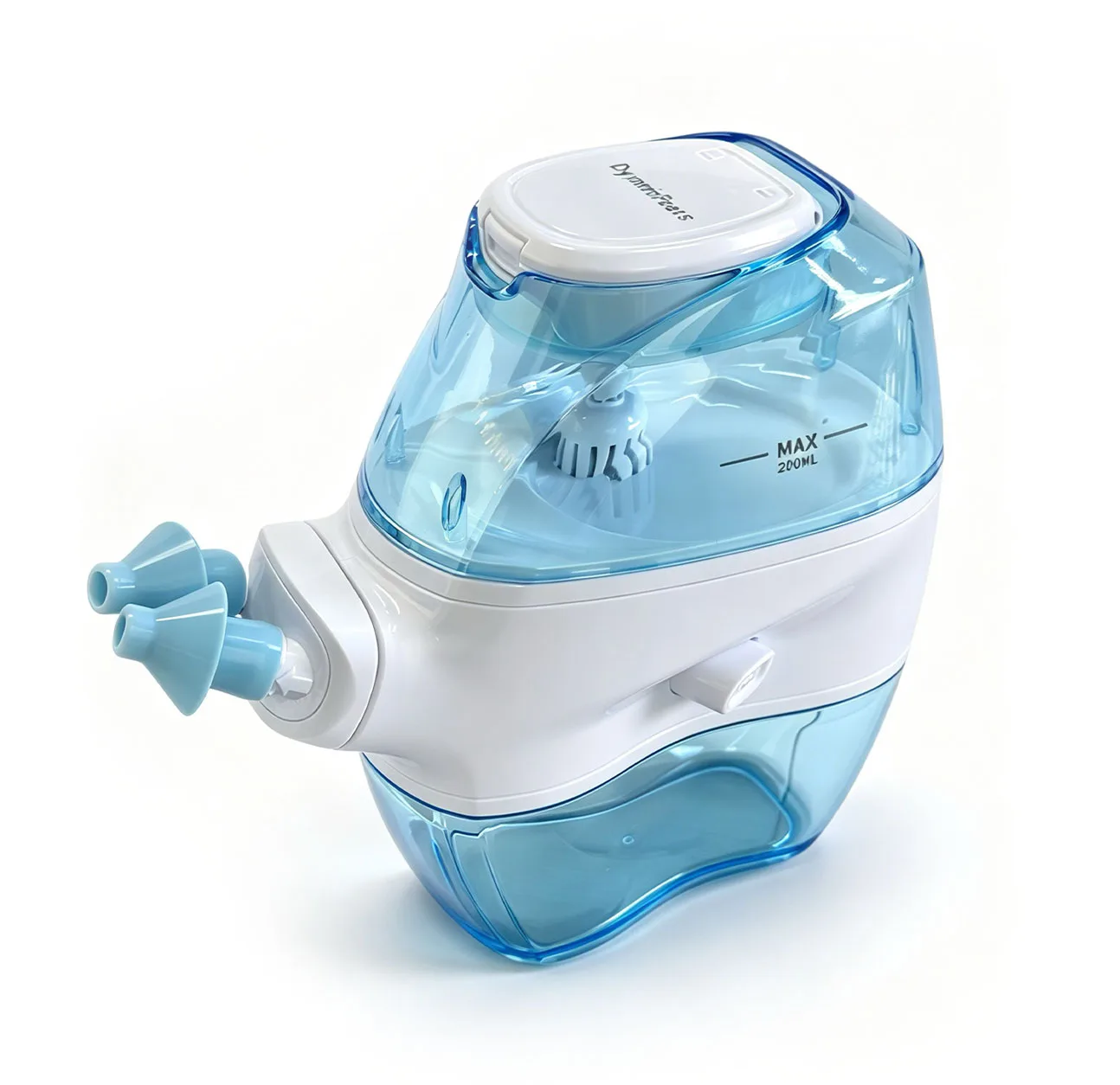
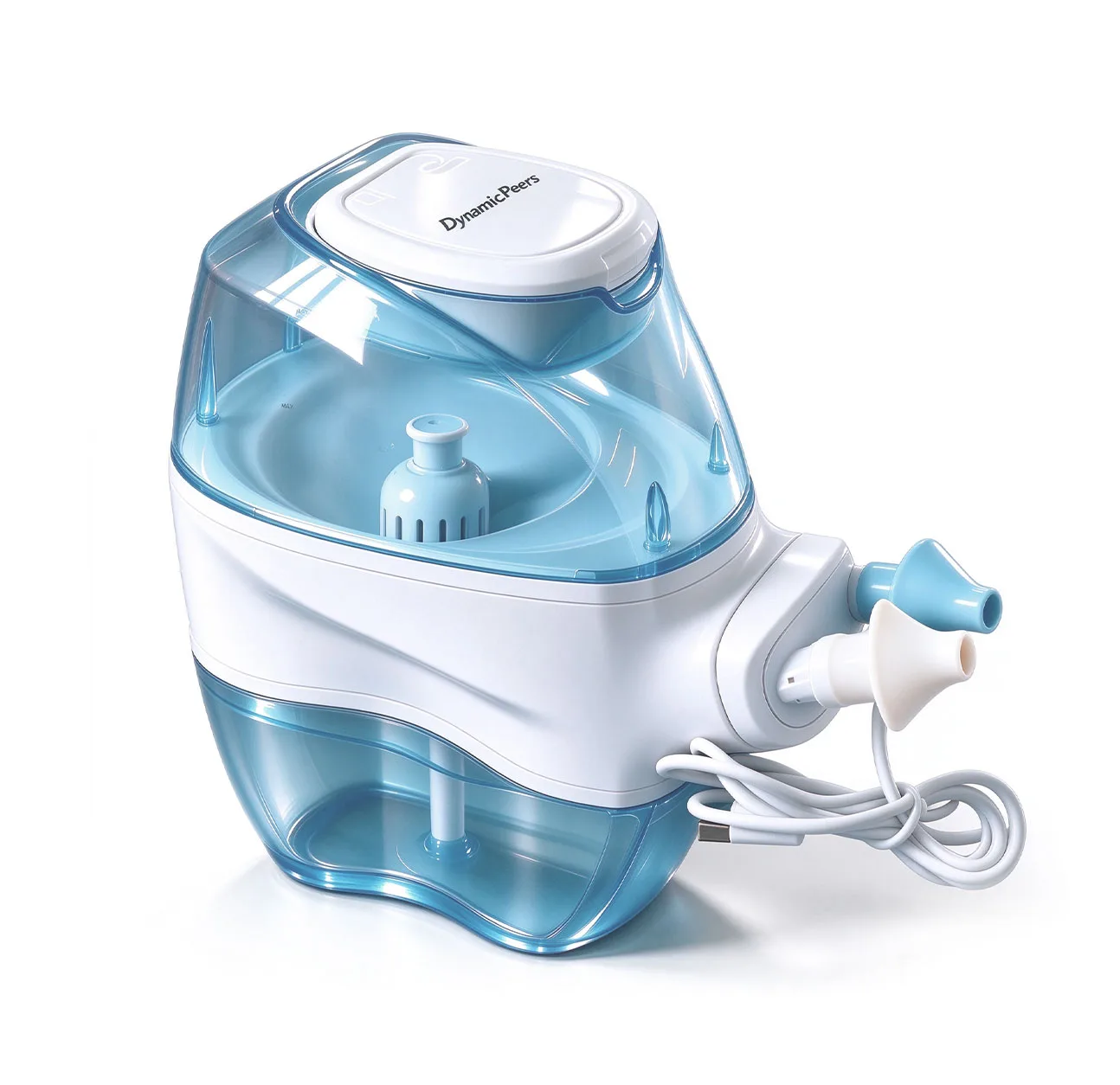
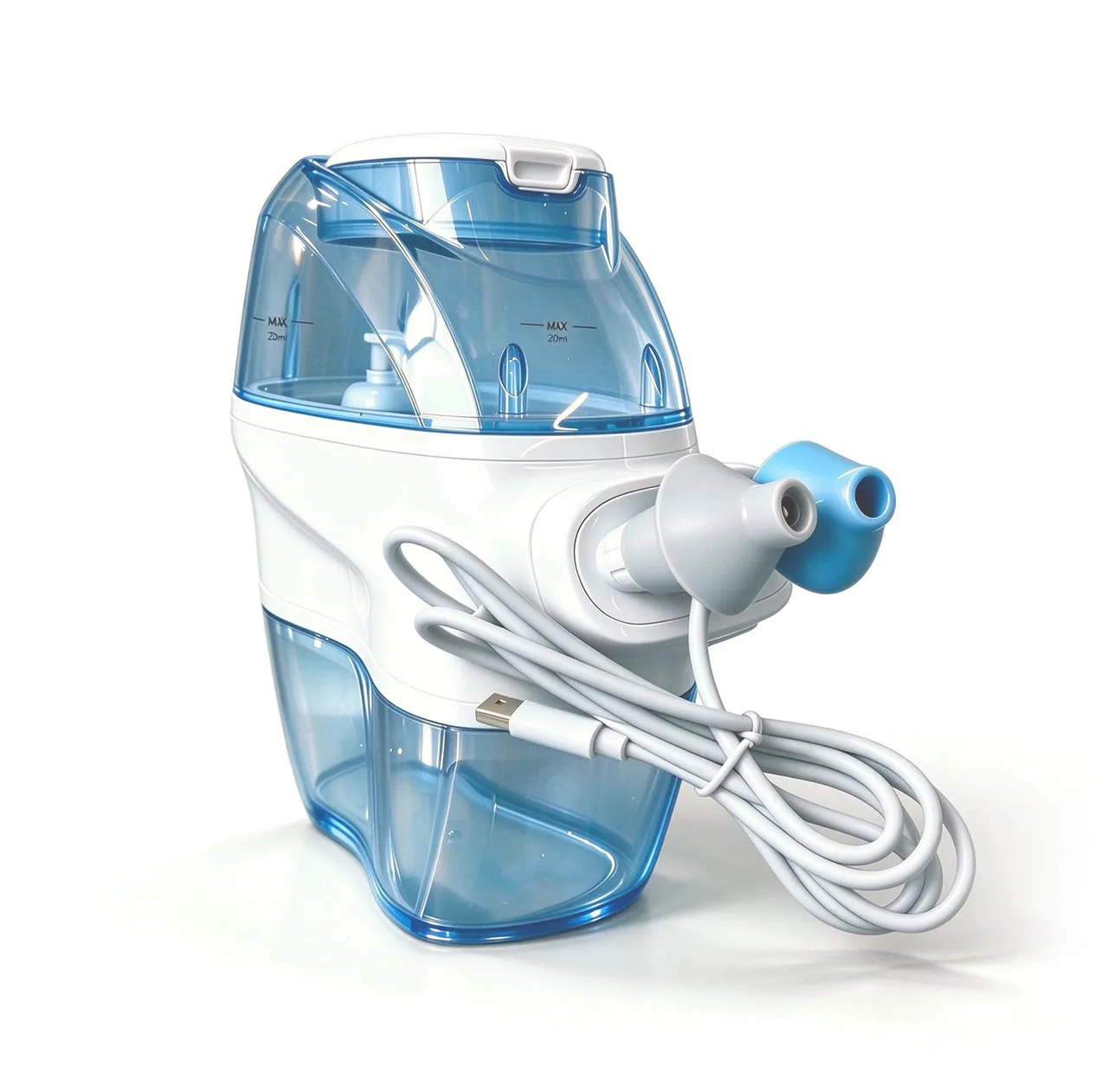
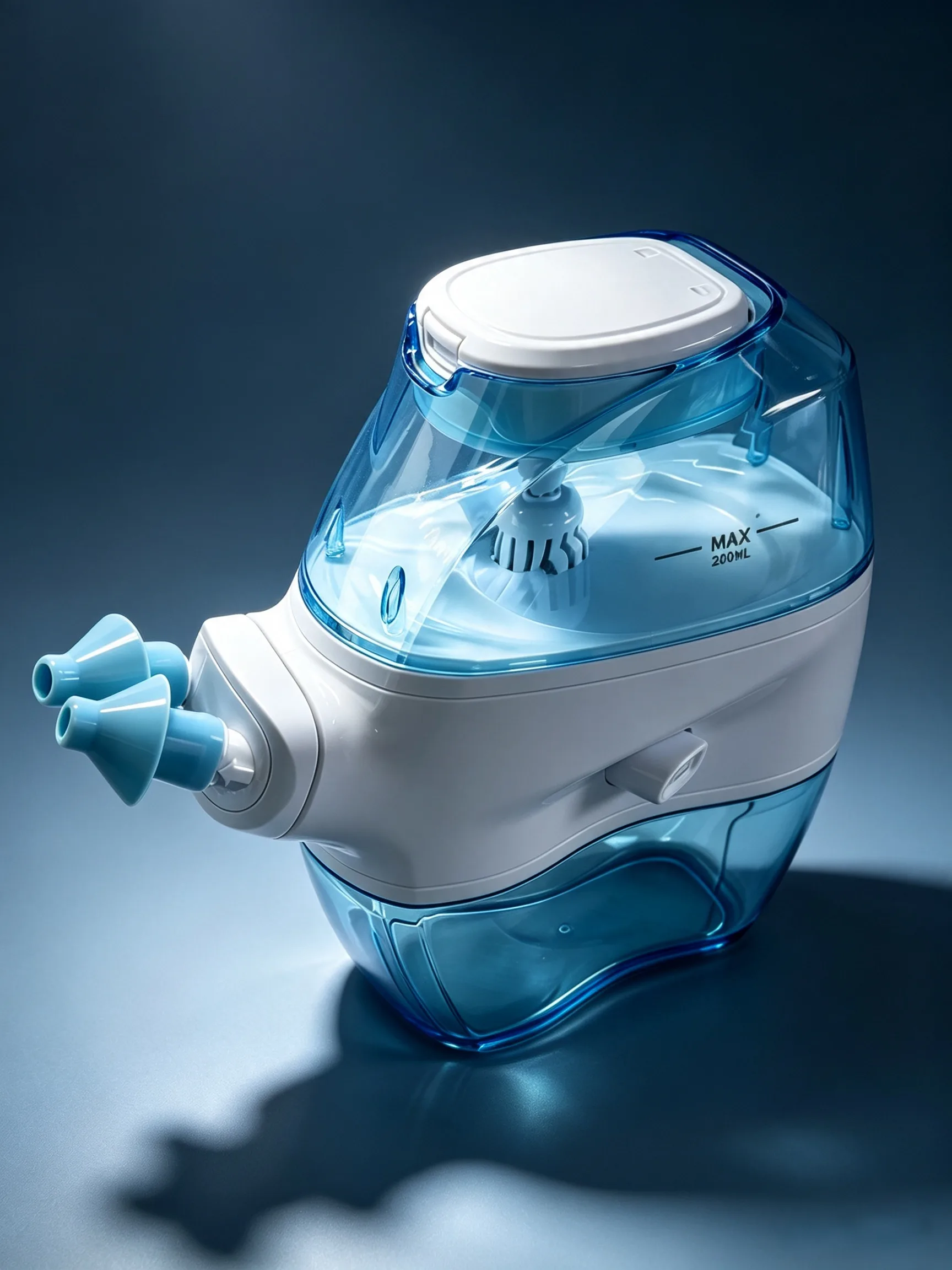
Science Popularization | Scientific Nasal Rinsing Makes Nasal Cleaning Simpler
01 Why should we pay attention to nasal cleaning?
The nasal cavity is an important part of the human respiratory system and the first line of defense for air entering the respiratory tract. Nasal hair, mucus, and nasal cilia work together to filter, adhere to, and clear dust, particulate matter, and other substances from the air.
In daily life, dust, pollen, and other environmental particles in the air may deposit in the nasal cavity. Proper nasal cleaning helps rinse out secretions and some irritants within the nasal cavity, making nasal care more scientific and convenient.
02 What is the working principle of a nasal irrigator?
A nasal irrigator delivers a suitable flushing solution into the nasal cavity through a nozzle, using the flow of liquid to help flush out mucus, secretions, and some attached particles in the nasal cavity.
Unlike simple wiping of the nose, nasal irrigation allows the flushing solution to reach certain areas inside the nasal cavity, providing assistance for daily nasal cleaning.
03 What are the benefits of daily nasal rinsing?
Assisted nasal cleaning: Helps rinse out secretions and some environmental particles in the nasal cavity.
Helps clear mucus: Helps remove excessive or viscous nasal secretions.
Helps relieve certain nasal discomfort: Proper saline nasal irrigation may help alleviate some symptoms related to allergic rhinitis.
Facilitates daily care: Using suitable nasal rinsing equipment can make the nasal cleaning process more convenient.
04 How to use a nasal irrigator scientifically?
Step 1: Choose the right flushing solution
Give priority to using saline of an appropriate concentration prepared with dedicated nasal wash salt, or ready-to-use flushing solutions that meet the product instruction requirements. Do not use untreated tap water directly to rinse the nasal cavity.
Step 2: Adopt a gentle rinsing method
Select the appropriate mode and nozzle according to the product instructions, stay relaxed, and avoid excessive water pressure causing discomfort.
Step 3: Pay attention to equipment cleaning
After each use, clean and thoroughly dry the cleanable parts according to the instructions to prevent residual liquid from breeding microorganisms.
Step 4: Pay attention to physical sensations
If obvious pain, nosebleeds, ear discomfort, or other abnormal conditions occur, use should be stopped and professional medical personnel should be consulted.
05 Scientific nasal rinsing, safety is equally important
Nasal rinsing is a way to assist nasal care and cannot replace disease diagnosis or treatment. Operations should be carried out according to the product's applicable population and instructions for use; infants, people after nasal surgery, and people with special nasal diseases should consult a doctor first.
Choosing the right flushing solution, correct usage methods, and good cleaning habits can make daily nasal care safer and more reassuring.