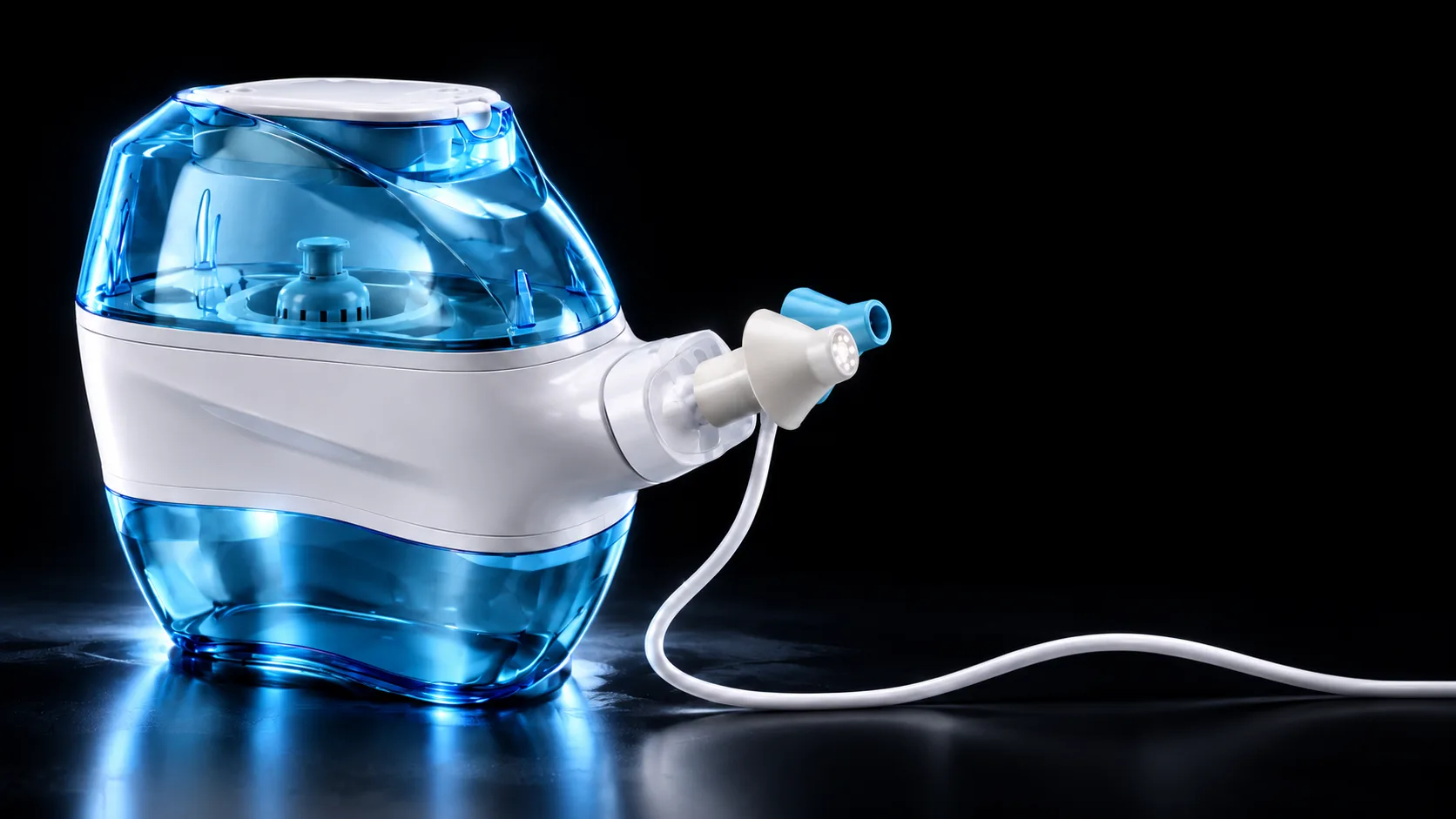
Working Principle of Nasal Irrigators: How Does Water Flow Help Clean the Nasal Cavity?
How Nasal Irrigators Work: How Water Flow Helps Clean the Nasal Cavity
The nasal cavity is an essential part of the human respiratory system, responsible for functions such as filtering particulate matter from the air and regulating the temperature and humidity of inhaled air. In daily life, dust, pollen, and nasal secretions may accumulate inside the nasal cavity; therefore, scientific nasal cleaning is an important part of daily nasal care.
A nasal irrigator is a care device used to rinse the nasal cavity with liquid. It uses appropriate water flow to deliver a rinsing solution into the nasal cavity, helping to remove some mucus, secretions, and attached particles. Understanding how a nasal irrigator works helps us choose and use nasal cleaning products more scientifically.
I. How Does a Nasal Irrigator Work?
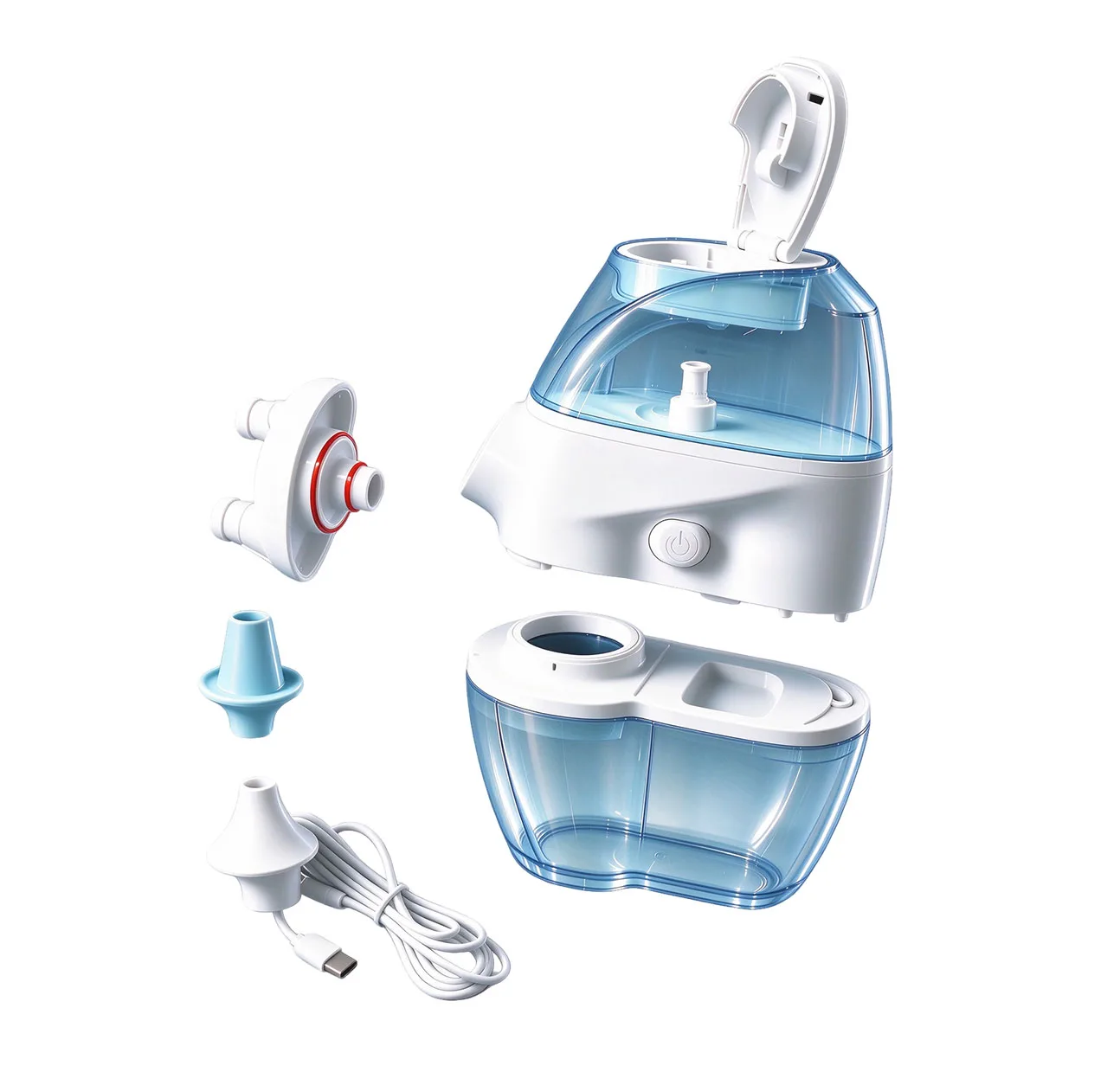
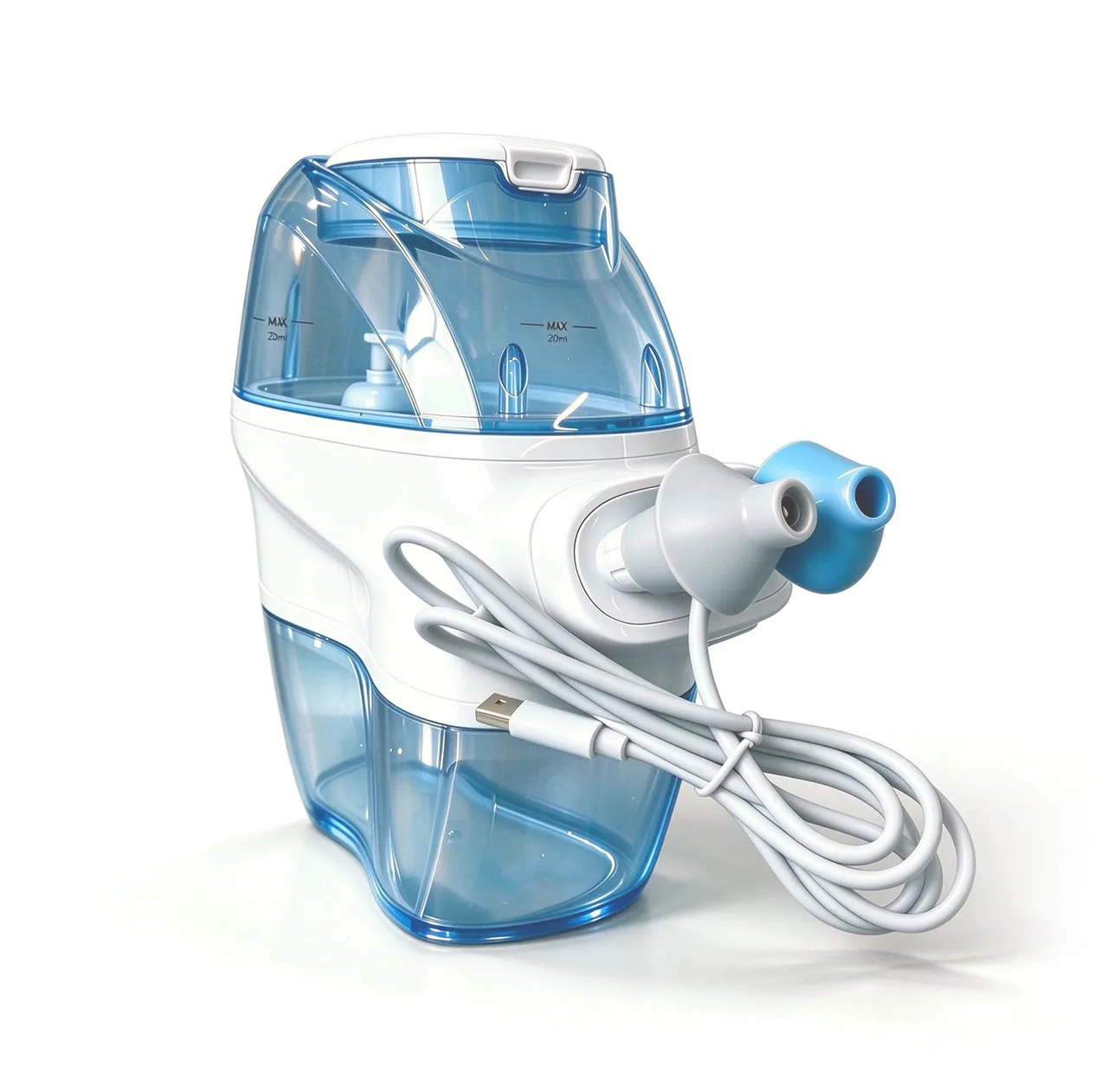
The basic working principle of a nasal irrigator is to use the flushing action generated by liquid flow to assist in cleaning the interior of the nasal cavity. Depending on the design of different products, the device may utilize structures such as water pumps, nozzles, water tanks, and control components to achieve the delivery and spraying of the rinsing solution.
Its working process generally includes the following steps.
1. Storage of Rinsing Solution
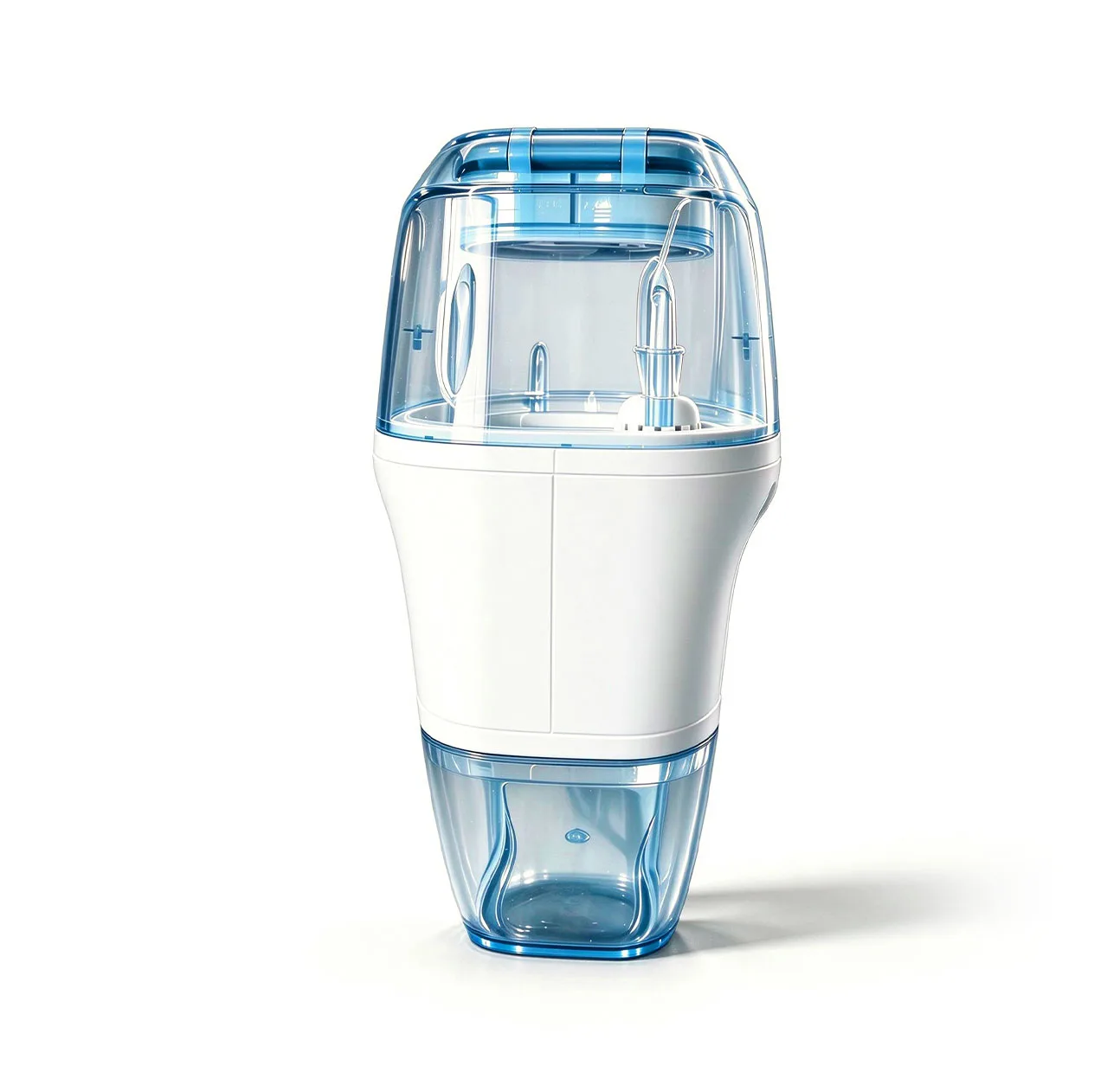
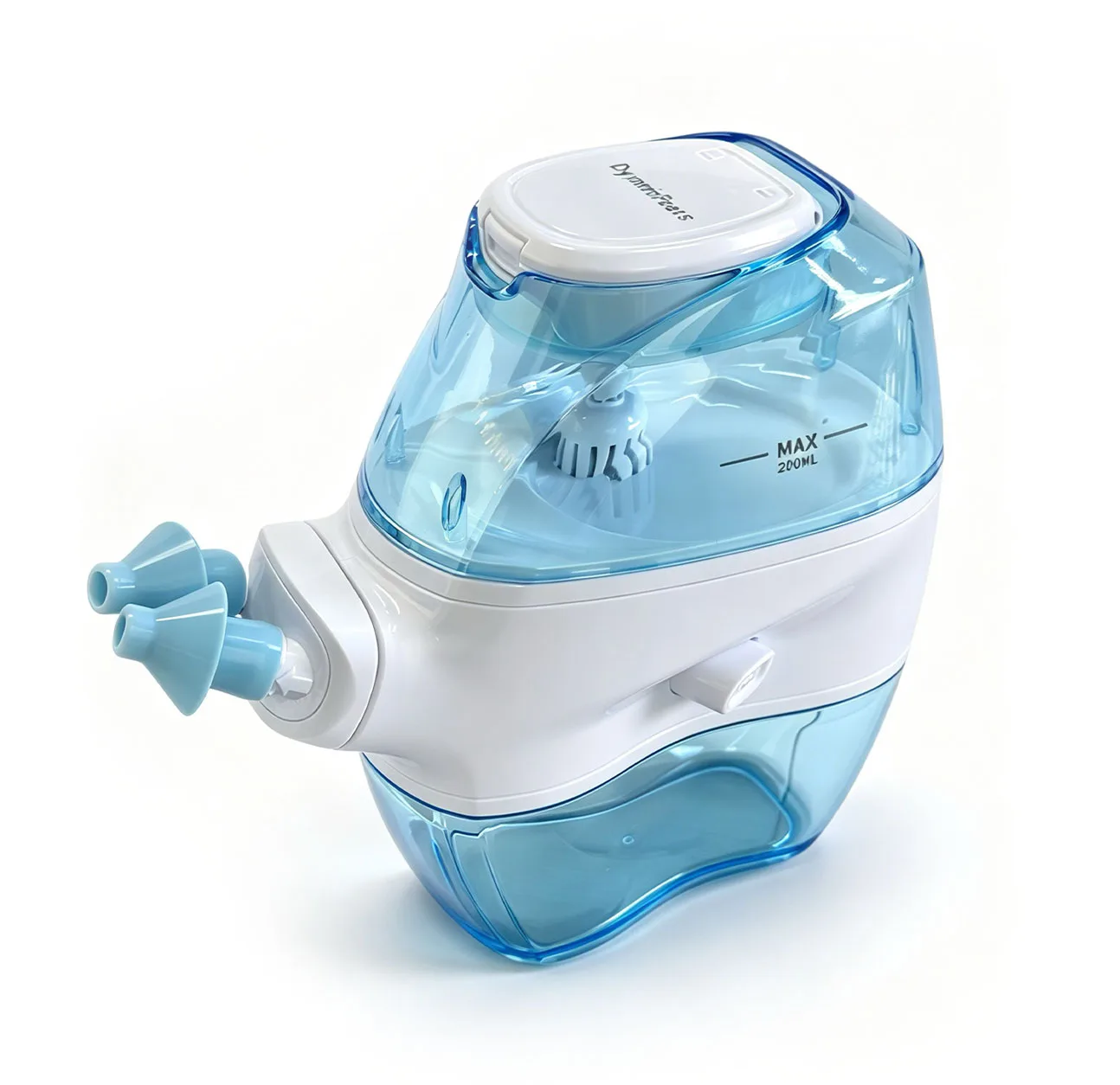
Nasal irrigators are typically equipped with a liquid storage container to hold the rinsing solution. Some products feature a transparent water tank design, making it easy for users to observe the remaining liquid level.
The choice of rinsing solution is very important. Nasal irrigation is usually recommended to be performed with saline of an appropriate concentration, such as a dedicated nasal wash saline solution prepared according to product instructions, or a ready-to-use rinsing solution that meets application requirements.
2. Water Flow Delivery
Once the device is started, the internal delivery structure of the product transports the rinsing solution to the nozzle. The water flow pressure, flow rate, and spray method may vary among different products, depending on the structural design of the equipment.
A reasonable water flow design helps the rinsing solution smoothly enter the nasal cavity while balancing usage comfort and safety.
3. Nozzle-Guided Rinsing Solution
The nozzle is an important component of a nasal irrigator, and its shape, size, and fluid output structure affect the flow pattern of the rinsing solution.
During use, the nozzle should be placed in an appropriate position according to product instructions, and the recommended operating posture should be adopted. The flow of the rinsing solution inside the nasal cavity can help loosen and wash away some mucus, secretions, and attached particles.
It should be noted that the internal structure of the nasal cavity is complex, and the actual rinsing range will be affected by factors such as nozzle design, usage posture, water flow parameters, and individual nasal cavity structure.
4. Discharge of Rinsing Solution
Under appropriate rinsing conditions, the liquid can carry away some secretions and particles out of the nasal cavity. Correct operation methods help reduce unnecessary discomfort and make the cleaning process smoother.
A nasal irrigator does not eliminate all irritants in the nasal cavity directly through water flow, nor can it guarantee cleaning every single area of the nasal cavity. Its main role is to assist with nasal cleaning.
II. Why Can Water Flow Help Clean the Nasal Cavity?
The cleaning effect of a nasal irrigator mainly comes from the flushing and flow of the liquid rather than relying solely on water pressure.
1. Helping to Clear Nasal Secretions
Nasal mucus can adhere to some inhaled particulate matter and participate in the respiratory defense process. When secretions are abundant or thick, appropriate saline rinsing helps loosen them and facilitates their discharge.
2. Helping to Rinse Away Attached Particles
Dust, pollen, and other particles in the air may adhere to nasal mucus. When the rinsing solution flows through the nasal cavity, it can help carry away some of these attached particles, assisting with daily cleaning.
3. Helping to Improve Some Nasal Discomfort
For some people with allergic rhinitis, appropriate saline nasal irrigation may help alleviate nasal symptoms and serve as part of daily care.
However, the rinsing effect varies from person to person. Nasal irrigators are auxiliary care tools and cannot replace necessary medical diagnosis and treatment.
III. Main Factors Affecting the Cleaning Effectiveness of Nasal Irrigators
The actual user experience and cleaning effectiveness of a nasal irrigator depend not only on the water flow volume but also on various other factors.
Water Flow Pressure and Flow Rate
Water flow pressure and flow rate affect how the rinsing solution is delivered. Excessive pressure may cause pain, nasal irritation, or ear discomfort, so it should not be assumed that stronger water flow always yields better cleaning results.
Nozzle Structure
The shape, size, fluid outlet design of the nozzle, and its adaptability to the nasal cavity all affect the flow of the rinsing solution. Choosing a nozzle that matches the product design and following the instruction manual helps achieve a more suitable user experience.
Choice of Rinsing Solution
The ingredients and concentration of the rinsing solution affect the tolerance of the nasal cavity. Nasal irrigation is generally recommended to use saline of an appropriate concentration, avoiding the random use of irritating liquids.
When preparing the rinsing solution, use sterile water, distilled water, or safe water that has been boiled and cooled, and follow the product instructions. Do not directly use untreated tap water to rinse the nasal cavity.
Correct Usage Method
Correct posture, appropriate nozzle placement, and an appropriate rinsing method are all important factors affecting the user experience. Operate according to the product instructions; do not artificially increase water pressure or prolong the rinsing time.
IV. How to Use a Nasal Irrigator Correctly?
To make daily nasal care safer, it is recommended to follow these steps.
Step 1: Prepare the appropriate rinsing solution. Use saline prepared with dedicated nasal wash salt according to product instructions, or a ready-to-use rinsing solution that meets requirements.
Step 2: Inspect the equipment. Confirm that the water tank, nozzle, and related components are clean and intact, and install them correctly according to the instructions.
Step 3: Adopt the correct posture. Adjust your head posture according to product instructions, place the nozzle in an appropriate position, and avoid applying excessive force.
Step 4: Perform gentle rinsing. Use the working mode recommended by the product; do not increase the pressure on your own in pursuit of cleaning effects.
Step 5: Clean the equipment. After use, clean the washable components according to the instructions and dry them thoroughly to avoid liquid residue.
If obvious pain, epistaxis (nosebleeds), ear discomfort, or other abnormal conditions occur during use, stop using immediately and consult medical personnel. For infants and young children, post-nasal surgery populations, and individuals with special nasal conditions, consult a doctor first.
V. How to Choose the Right Nasal Irrigator?
When choosing a nasal irrigator, you can focus on the following aspects:
Ease of operation: Whether the device structure is clear and the usage steps are easy to understand.
Suitability of water flow: Whether the product provides clear operating instructions and reasonable rinsing parameters.
Suitability of the nozzle: Whether the nozzle design matches the product positioning and target user needs.
Ease of cleaning: Whether the water tank and washable components are easy to maintain.
Completeness of product information: Whether clear specification parameters, scope of application, and safety precautions are provided.
Different types of nasal irrigators may differ in structure, working methods, and target users. Selection should be based on your own needs and subject to the product's actual specifications and instruction manual.
VI. Conclusion: Understanding the Principles Makes Nasal Care More Scientific
Through the delivery of rinsing solution, nozzle guidance, and liquid flow, nasal irrigators help remove some mucus, secretions, and attached particles in the nasal cavity, providing assistance for daily nasal care.
Scientific nasal rinsing requires not only suitable equipment but also the right rinsing solution, standardized operating methods, and good equipment cleaning habits.
Choosing a nasal irrigator that suits you and using it correctly according to the product instructions will make nasal care safer and more convenient.
Warm Reminder: This article is for health science popularization only and does not constitute medical advice. If you experience persistent nasal congestion, recurring nosebleeds, obvious nasal pain, or other abnormal symptoms, please consult professional medical personnel.