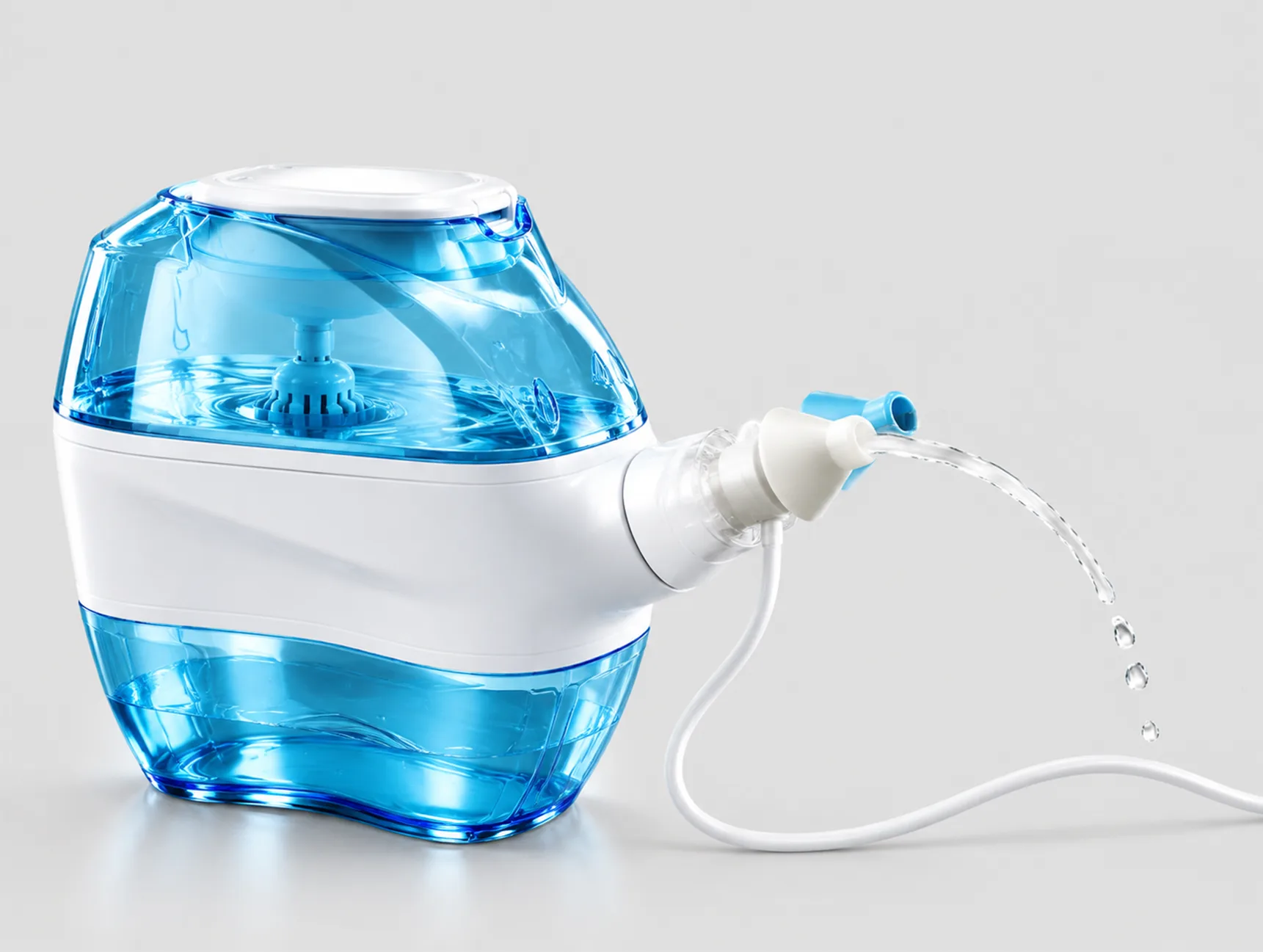
How to choose a suitable household nasal irrigator for yourself?
How to choose the right home nasal irrigator for yourself?
With the growing attention to daily nasal care, home nasal irrigators have gradually become health care products of interest to many families. Facing nasal irrigators with different types, structures, and functions, how can you choose a product that suits you?
In fact, choosing a nasal irrigator cannot rely solely on appearance or price; it also requires a comprehensive consideration of usage needs, irrigation methods, operational convenience, cleaning and maintenance, and product safety.
This article will introduce the key points for purchasing a home nasal irrigator from multiple perspectives, helping you understand product differences more clearly and make a choice that fits your personal needs.
1. First, Understand Your Nasal Care Needs
Before choosing a nasal irrigator, you can first clarify the main purpose of purchasing the product.
1. Daily Nasal Cleaning
If your main goal is to remove some mucus, dust, and other attached particles in the nasal cavity, you can focus on products with simple operation, clear instructions, and easy cleaning and maintenance.
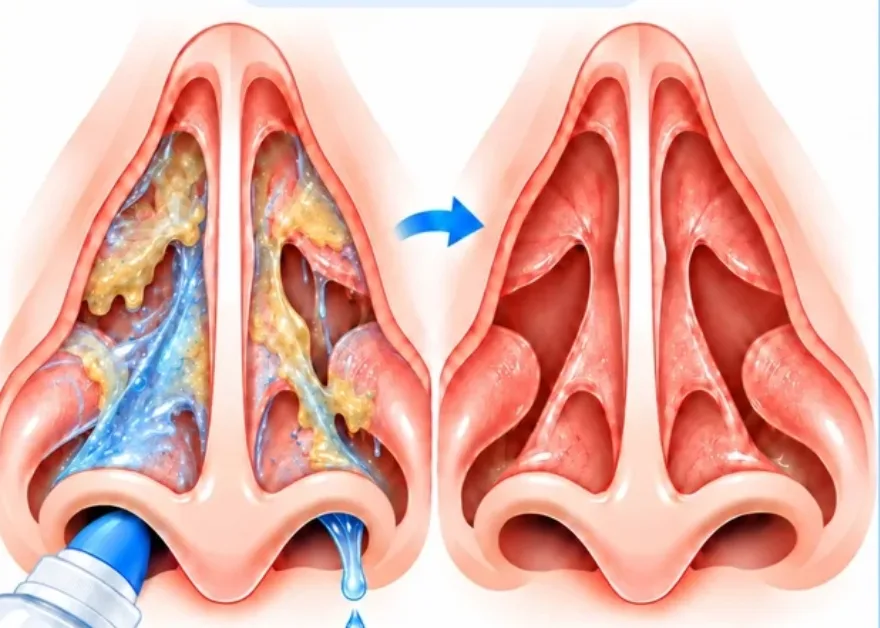
2. Nasal Care During Seasonal Allergies
For people with pollen allergies or allergic rhinitis symptoms, appropriate saline nasal irrigation may help alleviate some nasal symptoms. When choosing a product, you should check whether the irrigation method is suitable for your situation and consult a doctor if necessary.
3. Care for Nasal Dryness or Excess Secretions
Nasal dryness and increased secretions can have different reasons. Saline sprays and nasal irrigation devices work differently: sprays tend to provide local moisture, while irrigation devices mainly help remove some secretions and attached particles through liquid flow.
You should choose based on actual needs without blindly pursuing products with complex functions.
2. Understand the Characteristics of Different Types of Nasal Irrigators
Nasal cleaning products on the market vary in structure and working methods, and common types include the following.
1. Manual Nasal Irrigators
Manual products usually push the irrigation solution by squeezing a container or through other mechanical methods.
Main features:
The structure is relatively simple.
Models that do not rely on batteries or power sources are common.
The usage effect is related to the operation method, squeezing force, and product structure.
They are suitable for users considering simple operation methods and wishing to reduce electronic components, but attention should be paid to controlling the force and following product instructions.
2. Electric Nasal Irrigators
Electric products usually deliver irrigation solution through an internal power structure, and the specific working method varies by model.
Main features:
Some products can achieve relatively stable liquid delivery through an electric structure.
Some models offer different working modes.
Attention needs to be paid to the power supply method, cleaning requirements, and maintenance costs.
When purchasing, you should base your decision on the actual product flow rate, pressure, working mode, and safety instructions, and cannot judge the cleaning effect solely based on the "electric" feature.
3. Nasal Saline Sprays
Saline sprays usually deliver a small amount of liquid into the nasal cavity in the form of a spray, suitable for some daily moisturizing and local care needs.
They are not exactly the same as nasal irrigation devices that use more irrigation solution. If you want to wash away a large amount of mucus or secretions inside the nasal cavity, you should understand the actual purpose of the product and choose the appropriate type according to your personal situation.
3. What Aspects Need Special Attention When Purchasing a Nasal Irrigators?
1. Water Flow Pressure and Flow Rate
Water flow parameters will affect the delivery method of the irrigation solution and the user experience.
It is not true that the stronger the water flow, the better the cleaning effect. Excessive pressure may cause nasal irritation, pain, nosebleeds, or ear discomfort.
It is recommended to prioritize products with clear instructions for use, clear irrigation parameters, and suitability for your own situation. For people with sensitive nasal cavities or special health conditions, professional medical personnel should be consulted before use.
2. Nozzle Structure and Comfort
The nozzle is an important part of the nasal irrigator, and its size, shape, and liquid outlet structure will affect the user experience.
When purchasing, you can pay attention to:
Whether the nozzle is easy to install correctly.
Whether the part contacting the nose complies with product design requirements.
Whether the nozzle is convenient to clean.
Whether the product clearly states the applicable scope and replacement method of the nozzle.
Different nozzle designs are not necessarily suitable for everyone, and you should choose based on product descriptions and actual needs.
3. Water Tank Capacity and Convenience of Adding Liquid
The water tank capacity will affect the single liquid filling amount and convenience during use.
A transparent water tank can help users observe the remaining liquid level, making it convenient to prepare the irrigation solution in time. However, the capacity size itself does not directly represent the cleaning effect, and the actual usage amount should follow the product instructions and personal needs.
4. Operation Method and Convenience of Use
For household products, a clear operation process is very important.
It is recommended to pay attention to whether the device is easy to fill with liquid, install the nozzle, start and shut down, and whether the product instructions are complete. If the product needs charging, you should also understand the charging method, usage conditions, and maintenance requirements.
5. Convenience of Cleaning and Maintenance
Nasal irrigators will come into contact with irrigation solutions and nasal secretions; therefore, cleaning and drying after use are very important.
When purchasing, it is recommended to confirm:
Whether the water tank and nozzle are convenient to clean.
Which parts can be disassembled.
Which parts cannot be immersed in water.
Whether the product clearly states the cleaning, drying, and storage methods.
Whether accessories have clear replacement requirements.
You should not adopt high-temperature boiling, microwave heating, or chemical disinfection methods not allowed by the manual on your own to avoid damaging the product.
6. Product Instructions and After-Sales Support
It is recommended to choose brands or sales channels with transparent product information, complete manuals, and the ability to provide after-sales support.
Before purchasing, you should verify the product model, specification parameters, applicable population, precautions, and warranty policy. When medical device registration, certification, or other compliance information is involved, it should be verified through corresponding official channels, and judgments should not be made solely based on promotional pictures.
4. How Should Different Populations Choose?
Daily Use for Adults
You can prioritize products with clear operations, easy cleaning, and clear irrigation parameters, and make choices according to your own nasal condition and usage habits.
People with Allergic Rhinitis Symptoms
Saline nasal irrigation may help alleviate some symptoms, but it cannot replace necessary treatment. You should choose a suitable irrigation method according to doctor recommendations and product instructions.
Use by Children
Children's acceptance, age, and operational ability are different from those of adults. You should choose products that clearly mark the applicable age and meet children's usage requirements, and use them under doctor recommendations and adult supervision. Do not assume it is suitable for children just because the product size is small.
Post-Nasal Surgery or Special Health Conditions
Post-nasal surgery, recurrent nosebleeds, severe nasal congestion, or immune deficiency may require special care methods. Before using a nasal irrigator, you should consult professional medical personnel first and not try high-pressure irrigation on your own.
5. Key Points for Safe Use of Home Nasal Irrigators
Choosing the right product is only the first step, and correct use is equally important.
Use safe irrigation water: Nasal irrigation should use distilled water, sterile water, or water that has been thoroughly boiled and then cooled. Do not directly use untreated tap water to prepare the irrigation solution.
Choose a suitable irrigation solution: Priority should be given to finished irrigation solutions complying with product instructions, or special nasal washing salt solutions prepared according to requirements. Do not arbitrarily add essential oils, disinfectants, or other unauthorized ingredients.
Follow product instructions: Use the equipment according to the recommended methods, pressure, and operation steps, and do not forcibly irrigate a completely blocked nasal cavity.
Clean and thoroughly dry after use: Clean related parts according to manufacturer instructions to avoid long-term liquid residue.
If obvious pain, nosebleeds, ear discomfort, or other conditions occur during irrigation, you should stop using it and consult medical personnel. If symptoms persist or worsen, you should seek medical attention promptly.
6. Practical Checklist for Purchasing a Home Nasal Irrigators
Before purchasing, you can check item by item against the following list:
The product purpose matches your personal care needs.
The irrigation method, pressure, and related parameter instructions are clear.
The nozzle structure is suitable for the target user group.
The water tank capacity and liquid filling method meet actual needs.
The product is easy to clean, dry, and store.
The instruction manual and safety warnings are complete.
The product model, after-sales service, and related compliance information can be verified.
The requirements for safe irrigation water and irrigation solution have been understood.
7. Conclusion: What Suits You Is the Rational Choice
Choosing a home nasal irrigator should start from actual care needs, comprehensively considering irrigation methods, operational experience, nozzle design, cleaning and maintenance, and product safety information, rather than simply comparing prices, appearance, or the number of functions.
For most users, a product with clear operating instructions, transparent parameters, easy maintenance, and meeting their own needs is more conducive to establishing scientific and standardized nasal care habits.
CrystalNoel suggests that consumers choose appropriate nasal care equipment based on their own conditions on the basis of understanding product features, and always use it correctly according to product instructions.
Warm Prompt: This article is used for health science popularization and product purchase reference, and does not constitute medical advice. Nasal irrigators cannot replace disease diagnosis or treatment; for specific applicable populations and usage restrictions, please refer to product instructions and professional medical personnel recommendations.